


83% of Australians approve of the Albanese Government’s temporary three month cut to the fuel excise on petrol and diesel
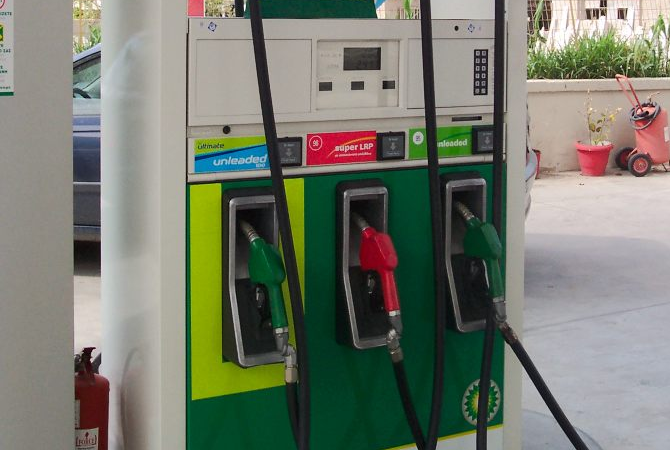
A large majority of Australians (83%) ‘approve’ of the Albanese Government’s temporary cut to the fuel excise on petrol and diesel, and 17% disapprove according to a special Roy Morgan SMS Poll conducted with an Australia-wide cross-section of 2,514 Australians aged 18+ from Thursday March 26 – Wednesday April 1, 2026.
In addition, over a third of Australians (37%) say they are aware of fuel shortages in their area compared to almost two-thirds (63%) that are not aware.
When asked "Have you changed your behaviour because of fuel shortages or rising fuel prices?” almost half reported they had ‘Reduced driving’ (48%), around a fifth said they had ‘Changed travel plans’ (20%) or ‘Decreased spending in other areas to compensate for increased spend’ (19%) while around a tenth said they had ‘Purchased less fuel’ (11%) or ‘Filled up more fuel than I needed’ (9%). Around a third of respondents (34%) said they had no change to their behaviour due to fuel shortages or rising fuel prices.
A large majority of 76% of Australians said ‘Fuel shortages, or rising fuel prices, have NOT affected their ability to travel for work, medical appointments, school, or other essential activities’ compared to under a quarter (24%) that said they had been affected.
Before the Albanese Government’s decision to temporarily cut the fuel excise nearly two-thirds of Australians (64%) said they were NOT satisfied with the way the Federal Government has been managing the fuel shortage. Only 36% said they were satisfied with the Federal Government’s response.
People surveyed were asked the following questions:
- Question 1: “Are you aware of any fuel shortages in your area?” Yes (37%) cf. No (63%).
- Question 2: "Have you changed your behaviour because of fuel shortages or rising fuel prices?” Reduced driving (48%), Changed travel plans (20%), Decreased spending in other areas to compensate for increased spend (19%), Purchased less fuel (11%), Filled up more fuel than I need (9%), No changes (34%).
- Question 3: "Have fuel shortages, or rising fuel prices, affected your ability to travel for work, medical appointments, school, or other essential activities?" Yes (24%) cf. No (76%).
- Question 4: “Who do you think is responsible for the current fuel supply challenges and costs increases?” (open-ended responses).
- Question 5: “Are you satisfied with the response of the federal government to managing the fuel shortage?" Yes (36%) cf. No (64%).
- Question 6: “And why do you say that?” (open-ended responses).
- Question 7: “This week the Federal Government announced a temporary cut in the fuel excise on petrol and diesel. This will reduce the price of fuel by 26.3 cents per litre for three months until June 30. Do you approve or disapprove of this measure?” Approve (83%) cf. Disapprove (17%) – Asked following the Albanese Government’s decision to cut the fuel excise on petrol and diesel by 26.3 cents per litre.
- Question 8: “Is there anything else you'd like to say about fuel shortages and the impact that these have on you or your business?” (open-ended responses).
Cut to fuel excise wins broad support from Australians of all ages, locations, and party support
Almost nine-in-ten women (89%), and over three-quarters of men (76%) approve of the Albanese Government’s decision to temporarily cut the fuel excise on petrol and diesel.
In addition, over four-fifths of all age groups approve of the decision: 18-34 (86%, 35-49 (81%), 50-64 (82%), and people aged 65+ (82%).
There is also high approval across all States with 89% of people in South Australia, 85% of Victorians, 83% of Western Australians, 82% of people in New South Wales, 80% of Queenslanders, and 79% of Tasmanians approving of the cut to the fuel excise.
There is majority approval of the decision from supporters of different political parties. Approval is highest from ALP voters (86%), ahead of L-NP Coalition voters (83%), and voters for Independents/ Other Parties (80%).
Interestingly, more Greens voters (77%) approve of the cur to the fuel excise than One Nation voters (71%).
Majority of Australians (63%) are not aware of any fuel shortages in their area
A majority of 63% of women and 62% of men say they are not aware of any fuel shortages in their area.
This figure is consistent by age with 62% of 18-34 year olds, 63% of 35-49 year olds, 63% of 50-64 year olds, and 62% of people aged 65+ not aware of any fuel shortages in their area.
Nearly two-thirds of people in Capital Cities (65%) are not aware of any fuel shortages in their area compared to 58% of people in Country Areas.
By State, people in Tasmania (89%) and Victoria (72%) are the most likely to not be aware of any fuel shortages in their area. This is followed by people in Queensland (65%), Western Australia (57%), and South Australia (57%).
People in New South Wales are the most likely to be aware of fuel shortages in their area with nearly half (46%) aware of fuel shortages compared to 54% that aren’t aware.
Reduced driving is the most common behaviour change due to fuel shortages or rising fuel prices
Nearly half of Australians (48%) say they are ‘reducing their driving’ because of fuel shortages or rising fuel prices – and this figure is fairly consistent across different demographics including women (52%), men (43%), 18-34 year olds (49%), 35-49 year olds (50%), 50-64 year olds (44%) and people aged 65+ (45%).
This is also the most common behavioural change for people in different States and with different political affiliations.
One-in-five Australians (20%) have ‘Changed their travel plans’ due to fuel shortages or rising fuel prices and this figure is noticeably higher for women (22%) than men (18%).
There is a similar trend of almost one-in-five Australians (19%) ‘Decreasing spending in other areas’ due to fuel shortages or rising fuel prices and a noticeable difference between women (21%) and men (16%).
There is a significant gender difference when it comes to people saying they have made no behavioural changes with 41% of men saying they have made no ‘behavioural changes’ compared to 28% of women.
Around three-quarters of Australians (76%) have not been affected by fuel shortages or rising fuel prices for essential activities such as ability to travel for work or medical appointments
In early April a large majority of around three-quarters of Australians (76%) say they have not been affected by fuel shortages or rising fuel prices for essential activities. Only around a quarter of Australians (24%) say they have been affected.
There is little difference by gender with 76% of men and 75% of women reporting they have not been affected by fuel shortages or rising fuel prices.
Analysis by State shows Tasmanians have been least impacted with 85% reporting they have ‘not been affected by fuel shortages or rising fuel prices for essential activities’ compared 78% of Victorians, 77% of South Australians and 75% of people in New South Wales.
The most impacted are people in Queensland (27% affected by fuel shortages or rising fuel prices compared to 73% not affected) and Western Australia (28% affected and 72% not affected) – but still large majorities have not been affected as of early April.
One Nation voters are the most impacted by fuel shortages and rising fuel prices for essential activities with a slim majority of 51% saying they have been affected already compared to 49% not affected.
Next most impacted are L-NP Coalition voters, with almost a third (32%), reporting they have been affected by fuel shortages and rising fuel prices for essential activities compared to 68% not affected.
Over three-quarters of voters for the ALP (85%), the Greens (80%), or Independents/ Other Parties (76%) report not being affected by fuel shortages or rising fuel prices for essential activities.
Before fuel excise cut, nearly two-thirds of Australians (64%) report not being satisfied with the Federal Government’s management of the fuel shortage
Australians were question on their satisfaction with the Federal Government’s management of the fuel shortage in late March, before the cut to the fuel excise on petrol and diesel, and nearly two-thirds (64%) reported being not satisfied compared to only 36% that were satisfied.
Dissatisfaction with the Federal Government’s management of the fuel shortage was higher for women (65%) than men (63%). By age, dissatisfaction was highest for people aged 35-49 (67%), followed by those aged 50-64 (65%) and 65+ (64%). Dissatisfaction was lowest, but still a majority, for people aged 18-34 (60%).
Perhaps unsurprisingly, the dissatisfaction with the Federal Government’s management of the fuel shortage is higher in Country Areas (68%) than in Capital Cities (62%).
Analysis by State shows people in Queensland (75%) are the most dissatisfied with the Federal Government’s response to the fuel shortage ahead of people in Western Australia (66%), New South Wales (63%), Victoria (60%), and South Australia (56%).
In contrast, a majority of Tasmanians (51%) are satisfied with the Federal Government’s management of the fuel shortage compared to 49% dissatisfied.
A majority of ALP voters (61%) and Greens voters (52%) are satisfied with the Federal Government’s management of the fuel shortage.
However, there is deep dissatisfaction among voters for other parties with 89% of L-NP Coalition voters, 96% of One Nation voters, and 68% of voters for Independents and Other Parties dissatisfied with the Federal Government’s management of the fuel shortage.
Roy Morgan Chief Executive Officer Michele Levine says:
“A large majority of Australians (83%) have expressed their approval for the Albanese Government’s decision to cut the fuel excise on petrol and diesel in half – a cut of 26.3 cents per litre – for three months. Only one-in-six Australians (17%) disapprove.
“Although there is widespread support for the decision, the current fuel shortages and rise in fuel prices are not affecting the ability of most Australians to carry out essential activities as of yet. Just one-in-four Australians (24%) say their ability to carry out essential activities has been affected – while around three-quarters (76%) say they have not been affected.
“In addition, just over a third of Australians (37%) say they are aware of fuel shortages in their area compared to nearly two-thirds (63%) that say they aren’t aware of any – indicating most Australians have not been directly impacted by reported fuel shortages.
“However, Australians are changing their behaviour due to rising fuel prices and fuel shortages with nearly half (48%) reporting they are reducing their driving, and one in five (20%) changing their travel plans and 19% decreasing spending in other areas to compensate for increased fuel spending.
“When asked who is responsible for the current fuel supply challenges and cost increases facing Australians US President Donald Trump emerges as the single most responsible individual according to Australians – mentioned by 38% of respondents. In addition, a total of two-thirds of respondents mention international actors such as President Trump, or the three countries primarily involved in the war – the US, Israel and Iran.
“However, of concern for the Albanese Government, around a third of respondents place the responsibility at the foot of the Australian Government, Prime Minister Anthony Albanese and Energy Minister Chris Bowen. Respondents assert that the Albanese Government has not done enough to mitigate the impacts and respond decisively to secure the interests of Australians.
“Looking forward the biggest concern from Australians about the impact of fuel shortages and rising fuel prices is the impact on cost of living and inflation – with the prospect of higher interest rates to come – mentioned by around a third of respondents (34%).
“In addition, Australians are concerned about the growing impact on businesses and the economy generally – mentioned by around 27% of respondents, with a further 26% mentioning the Government failures and policy shortcomings as a key factor.”
This special Roy Morgan Snap SMS survey was conducted with an Australia-wide cross-section of 2,514 Australians aged 18+ from Thursday March 26 – Wednesday April 1, 2026.
For further comment or more information contact:
Michele Levine 0411 129 093 or Gary Morgan 0411 129 094 or email askroymorgan@roymorgan.com.
Margin of Error
The margin of error to be allowed for in any estimate depends mainly on the number of interviews on which it is based. Margin of error gives indications of the likely range within which estimates would be 95% likely to fall, expressed as the number of percentage points above or below the actual estimate. Allowance for design effects (such as stratification and weighting) should be made as appropriate.
| Sample Size | Percentage Estimate |
| 40% – 60% | 25% or 75% | 10% or 90% | 5% or 95% | |
| 1,000 | ±3.0 | ±2.7 | ±1.9 | ±1.3 |
| 5,000 | ±1.4 | ±1.2 | ±0.8 | ±0.6 |
| 7,500 | ±1.1 | ±1.0 | ±0.7 | ±0.5 |
| 10,000 | ±1.0 | ±0.9 | ±0.6 | ±0.4 |
| 20,000 | ±0.7 | ±0.6 | ±0.4 | ±0.3 |
| 50,000 | ±0.4 | ±0.4 | ±0.3 | ±0.2 |


